
Living With Widespread Pain: Fibromyalgia Flare Patterns
What a fibromyalgia flare can involve, common triggers, and gentle ways to ride one out, including when a flare warrants a clinician call.
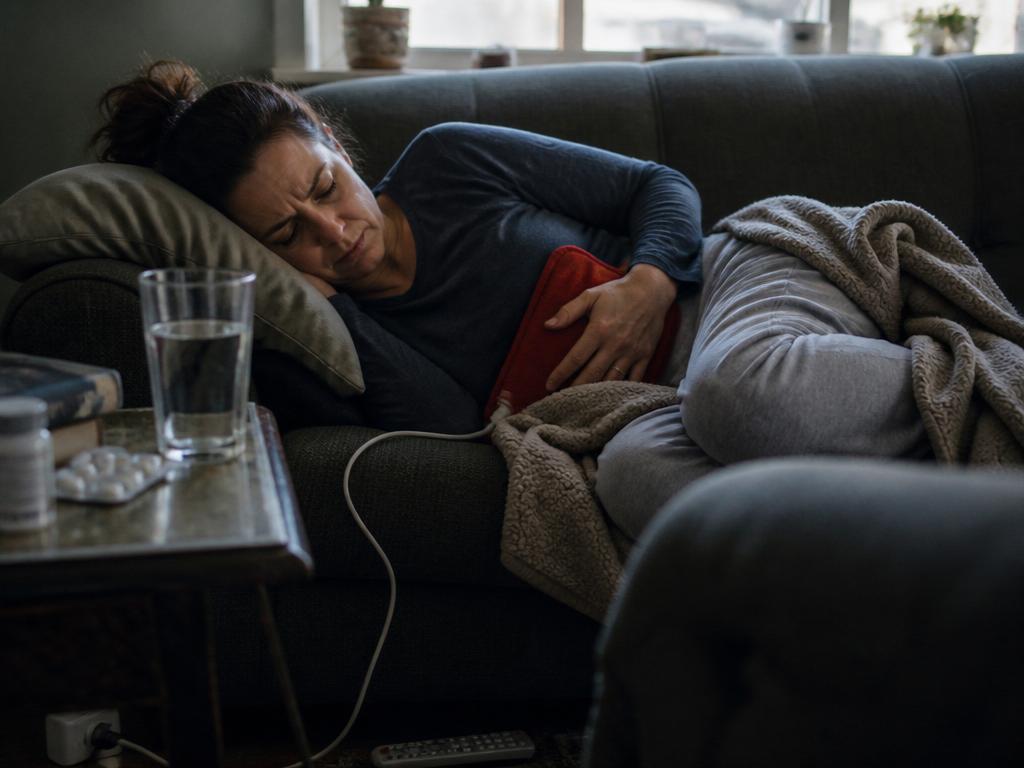
Fibromyalgia does not stay still. It moves through better stretches and worse ones, and a flare can turn a manageable day into one defined by pain and exhaustion. Understanding the pattern can make it a little less frightening to live through.
Common flare triggers
A fibromyalgia flare is a period when symptoms intensify beyond your usual baseline. Widespread pain often leads the way, but flares tend to bring a broader worsening: deeper fatigue, poorer sleep, heightened sensitivity, stiffness, and sometimes more brain fog or low mood. The whole system seems to turn up at once.
Flares can appear without any obvious reason, which is one of the most maddening things about the condition. But many people learn to recognize triggers that tend to precede their own, even if the connection is not perfectly reliable.
Frequently reported triggers include:
- Overexertion. Doing too much, physically or mentally, especially after a good day.
- Stress. Emotional strain and tension are commonly linked to flares.
- Poor sleep. Disrupted or unrefreshing sleep can both trigger and worsen a flare.
- Weather and environment. Some people find changes in temperature or weather affect their symptoms.
- Illness or other stressors on the body. Getting sick, hormonal shifts, or other demands can tip things over.
- Changes in routine. Disruptions to the patterns that usually keep you stable.
Because triggers are personal and often combine, tracking your own can be more useful than any general list. Over time, noticing what tends to come before your flares helps you anticipate and sometimes soften them.
Gentle movement vs. full rest
One of the hardest judgment calls during a flare is how much to move and how much to rest. There is no single answer, and the right balance can shift from flare to flare.
Complete and prolonged inactivity can sometimes increase stiffness and deconditioning, yet pushing through a severe flare with too much activity can clearly make things worse. The path most often discussed for fibromyalgia sits between the two: gentle, gradual movement balanced with adequate rest, adjusted to how you feel.
| During a flare | Consider |
|---|---|
| Severe pain and exhaustion | More rest; very gentle movement only if tolerated |
| Moderate flare | Light activity in small amounts, with frequent breaks |
| Easing flare | Gradually, cautiously increasing as you recover |
| Any flare | Avoiding the urge to overcompensate on a better hour |
Some gentle approaches people find helpful:
- Move little and often. Short, light movement with rest in between, rather than one large effort.
- Listen to your body. Let pain be a guide; ease back when activity sharply worsens symptoms.
- Pace, do not push. Avoid the boom-and-bust trap of overdoing it the moment you feel slightly better.
- Prioritize rest without guilt. During a significant flare, rest is treatment, not laziness.
Comfort measures that some people find soothing, such as warmth, gentle stretching, or relaxation techniques, can help you cope even when they do not resolve the flare. The aim during a flare is to ride it out as gently as possible, not to power through it.
When a flare warrants a clinician call
Most fibromyalgia flares, frustrating as they are, follow a familiar pattern and ease with time and self-care. But not every change should be assumed to be “just a flare,” and knowing when to reach out matters.
It is worth contacting a clinician when:
- Something feels different from your usual flares. New, severe, or unusual symptoms deserve attention rather than assumption.
- A flare is unusually severe or prolonged. Symptoms far beyond your normal pattern, or that drag on much longer than usual, are worth discussing.
- New symptoms appear. Fibromyalgia can coexist with other conditions, and not every symptom should be attributed to it.
- Your current plan is not helping. If flares are becoming more frequent or harder to manage, a review of your care may be useful.
- Your mood is suffering badly. Persistent low mood or hopelessness alongside flares is a reason to seek support.
The general principle is simple: self-care handles the familiar, but anything new, severe, or out of pattern is a reason to check in. You know your own baseline better than anyone, and trusting that knowledge is part of advocating for yourself. A clinician would far rather hear from you than have you suffer through something that turned out to need attention.
The bottom line
A fibromyalgia flare is a temporary worsening of widespread pain and the symptoms that travel with it, often set off by overexertion, stress, or poor sleep. Riding one out usually means balancing gentle movement with real rest and being kind to yourself in the process. Most flares pass with time and care, but anything new, severe, or unlike your usual pattern is worth a call to your clinician.
Keep reading

Dysautonomia vs. POTS: How the Umbrella Term and the Diagnosis Relate
A clean breakdown of how dysautonomia and POTS relate, why one diagnosis doesn't rule out the other, and what the distinction means in practice.

Why Fatigue Isn't Just 'Being Tired'
Chronic illness fatigue is a different category than ordinary tiredness. Here's language to describe it so others can finally understand.

What Does a Lupus Flare Actually Feel Like?
Plain-language descriptions of the most common lupus flare sensations, so readers can put words to what they're noticing and decide what's worth a clinician's call.