
Why You Feel Worse the Day After Exercise
The delayed crash that follows exertion is real, predictable, and often misread. What is happening, what it is not, and how to plan around it.
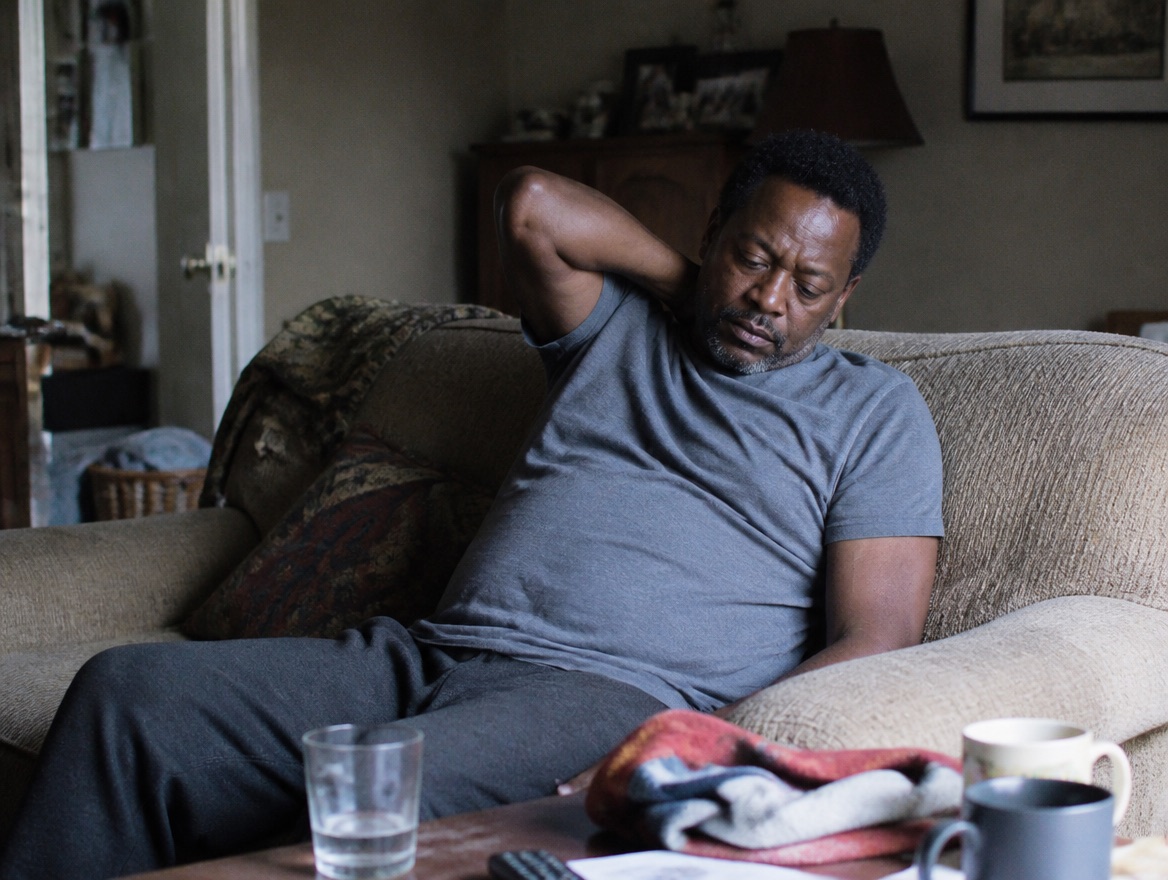
If a short walk on Tuesday leaves you flattened by Wednesday afternoon, you are not imagining it, and you are not being dramatic. A delayed worsening of symptoms after exertion is one of the most common, and most confusing, patterns in chronic illness.
The crash often arrives 12 to 48 hours after the activity that triggered it, long after the event that “should have” produced the symptoms. By the time you feel it, the link to what you did the day before may not be obvious — even to you.
What the delayed crash actually is
In medical writing, the formal name for this pattern is post-exertional malaise, often shortened to PEM. It is a hallmark of conditions like ME/CFS, and it shows up frequently in long COVID, dysautonomia, fibromyalgia, and other chronic illnesses where the body’s recovery systems are not working at full capacity.
The defining features tend to be consistent across people who experience it:
- A delay. The worst symptoms usually arrive hours to a day or two after the trigger, not during the activity itself.
- A whole-body response. Fatigue is part of it, but so are pain, brain fog, dizziness, sleep disturbance, and a general sense that the body has been hit by something.
- A disproportionate reaction. The crash is larger than the activity seems to warrant. A trip to the grocery store can produce a two-day flare.
- A long tail. Recovery often takes longer than people expect, and stacking another activity on top while still recovering tends to make things worse.
This is not the same thing as ordinary soreness, deconditioning, or “I worked out too hard yesterday.” Healthy bodies feel sore the day after a hard effort and bounce back. The crash described here is broader, deeper, and more systemic — and it gets triggered by levels of effort that would not register for someone without your condition.
What it is often confused with
Because the pattern is delayed and disproportionate, people often misread it as something else, including for themselves.
The most common misreads include:
- Laziness or low motivation. A crash day looks, from the outside, like a day someone “didn’t feel like” doing anything. The internal experience is closer to being concussed.
- Poor fitness. The advice to simply exercise more is usually well-intentioned, but in conditions where exertion provokes a crash, pushing through can deepen the pattern rather than resolve it.
- Anxiety or depression. Low mood often shows up during a crash, but the fatigue and cognitive symptoms are not produced by mood — they tend to come first, and the mood follows.
- A new illness. Some crashes come with sore throat, swollen glands, or feeling feverish, which can read as a virus that never quite arrives.
Naming the pattern as post-exertional malaise, rather than any of these alternatives, often changes the conversation with friends, partners, and clinicians. It also changes how you talk to yourself on the worst days.
Why “exercise” is the wrong word
For many people living with this pattern, the word exercise is misleading. The activities that trigger a crash are often not workouts at all. They are ordinary life.
A walk through an airport. A long shower. A family dinner. A high-emotion phone call. A morning of errands. A day of sitting upright at a desk meeting. Cognitive and emotional effort can trigger the same delayed crash as physical effort, sometimes more reliably.
This is part of why the pattern is so hard to spot at first. You may not be doing anything that looks like exertion when the crash lands, because the trigger was a day or two earlier and did not feel particularly hard at the time.
Building a personal pattern
Most of the practical work of living with this is learning your own thresholds and timing, which are not the same as anyone else’s.
A simple approach: for a few weeks, keep a short daily note of two things. What did you do yesterday, in rough terms. How do you feel today, on a scale that makes sense to you. You do not need an app or a complicated system; the back of a notebook works.
Over time, two patterns tend to surface:
| Track this | What it can show |
|---|---|
| Activity load the day before | The kinds and amounts of effort that reliably trigger a crash |
| Symptoms today | Your personal crash signature and how long it usually lasts |
| Sleep and recovery the night between | Whether rest changes how the next day lands |
| What happens if you push through | Whether stacking activity deepens the pattern |
The point is not to become hyper-vigilant about every sensation. It is to learn the shape of your own pattern well enough that you can plan around it instead of being surprised by it.
Planning around the pattern
Once the delay is something you can roughly anticipate, the practical question becomes how to spread effort across the week so the crashes are smaller and less frequent.
A few principles tend to help:
- Pace by the next day, not by today. The right question is not “can I do this now,” but “what will tomorrow look like if I do this now.”
- Spread, do not stack. Two moderate days back-to-back often produce a worse crash than the same total effort split with a rest day between.
- Pre-rest before known demands. A quieter day before a planned outing tends to soften the crash that follows.
- Lower the bar on crash days deliberately. The instinct to “catch up” the moment you feel slightly better tends to start the cycle over.
None of this prevents every crash. The pattern is part of the condition, not a problem to be solved with discipline. The goal is a calmer, more predictable rhythm in which you have more good hours and the bad days are less catastrophic.
If the pattern is new for you, or if it is getting steadily worse, that is worth a conversation with your clinician. There is no single test for post-exertional malaise, but a clinician who recognizes it can help you rule out other causes and adjust treatment around it.
The bottom line
Feeling worse the day after exertion is a real, recognizable pattern with a name. It is not laziness, deconditioning, or anxiety, and the cure is not more pushing through. Learning to read your own delay and plan around it will not erase the pattern, but it can shrink the crashes and give you more of the days you actually want.
Keep reading

Dysautonomia vs. POTS: How the Umbrella Term and the Diagnosis Relate
A clean breakdown of how dysautonomia and POTS relate, why one diagnosis doesn't rule out the other, and what the distinction means in practice.

Why Fatigue Isn't Just 'Being Tired'
Chronic illness fatigue is a different category than ordinary tiredness. Here's language to describe it so others can finally understand.

What Does a Lupus Flare Actually Feel Like?
Plain-language descriptions of the most common lupus flare sensations, so readers can put words to what they're noticing and decide what's worth a clinician's call.