
How to Prepare for a Specialist Appointment You Waited Months For
A short, high-stakes visit can shape your care for a long time. How to summarize your history, prioritize questions, and capture next steps.
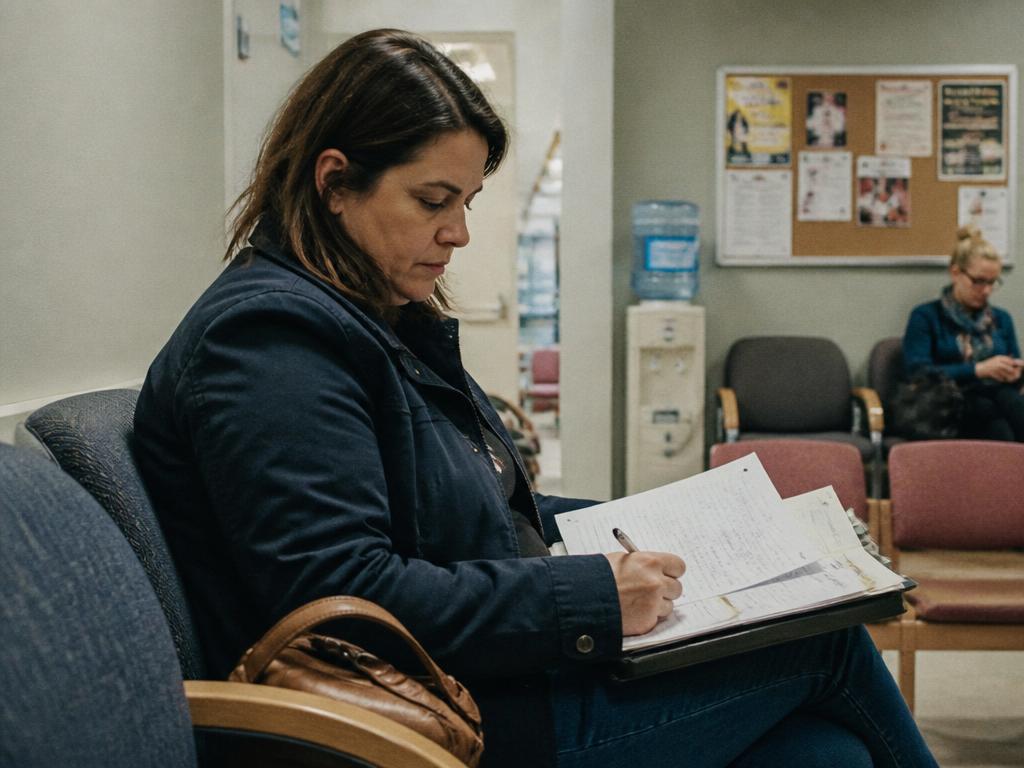
When you have waited months for a specialist appointment, the visit itself can feel impossibly short for everything riding on it. A little preparation is the best way to make sure those minutes count.
Writing a one-page symptom summary
Specialist appointments are often brief, and it is easy to lose the thread under pressure, forget important details, or get pulled down a single tangent while the bigger picture goes unsaid. A concise written summary, prepared in advance, helps you communicate clearly even when nerves or brain fog get in the way.
Aim for roughly one page. The discipline of keeping it short forces you to distill what matters most, and a clinician is far more likely to absorb a tight summary than pages of notes.
A useful one-page summary often includes:
- Your main concerns. The top issues you most want addressed, stated plainly at the top.
- A brief timeline. When symptoms started, how they have changed, and any major milestones in your illness.
- Your key symptoms. The most significant ones, with a sense of how they affect daily life.
- Relevant history. Other diagnoses, medications you take, and treatments you have already tried, including what helped and what did not.
- Recent test results. Any important findings, or a note of where they can be found.
Bringing this to the appointment, and offering it early, can anchor the conversation. Many people find it helps to hand a copy to the clinician, so you are both working from the same picture rather than reconstructing your history from memory in real time.
Prioritizing your top questions
It is a common and painful experience to leave an appointment realizing you forgot to ask the one thing that mattered most. Walking in with a written, prioritized list of questions is one of the simplest ways to prevent it.
The key word is prioritized. A long appointment may cover everything, but a short one may not, so order your questions from most to least important. If time runs out, you want to have asked the things that matter most first.
| Priority | Question focus | Example direction |
|---|---|---|
| Highest | The decision you most need help with | What are my options from here? |
| High | Understanding your situation | What might be causing this, and what does it mean? |
| Medium | Practical next steps | What happens between now and the next visit? |
| Lower | Useful but not urgent | Background and longer-term questions |
A few tips for the question list:
- Write it down beforehand. Do not rely on remembering under pressure; bring the list in hand.
- Lead with your biggest concern. Ask the most important question early, while there is time.
- Be specific. Concrete questions tend to get more useful answers than broad ones.
- Leave room to follow up. If an answer raises a new question, it is fair to ask it.
You are not being difficult by coming prepared. Most clinicians appreciate a focused patient, because it helps them use a limited appointment well too.
Taking notes and next steps
It is genuinely hard to remember everything said in an appointment, especially an emotionally charged one, and even more so when fatigue or brain fog are in play. Capturing the key points means you can act on them later rather than struggling to recall what was decided.
Have a way to take notes, whether on paper or a device, and focus on the things you will need afterward: what the clinician thinks, what was decided, and what happens next. If writing while listening is too much, it is reasonable to ask the clinician to slow down or repeat something so you can get it down.
Before you leave, try to be clear on the next steps:
- The plan. What was decided, including any new treatments, tests, or referrals.
- Your part. Anything you need to do, and by when.
- What to expect. What should happen next, and roughly when.
- Warning signs. What would warrant getting in touch sooner rather than waiting.
- Follow-up. When and how you will reconnect, and who to contact with questions.
If anything is unclear, ask before the appointment ends. It is much easier to clarify in the room than to chase an answer afterward. Some people also find it helpful to bring a trusted person along, either in the room or on a call, to listen, take notes, and help remember what was said. A second set of ears can catch what you miss.
The bottom line
A long-awaited specialist appointment is short, so preparation is how you make it count. Bring a one-page summary of your history, a prioritized list of questions with your biggest concern first, and a way to capture the plan and next steps before you leave. Walking in organized helps you and your clinician use those few minutes as well as possible.
Keep reading
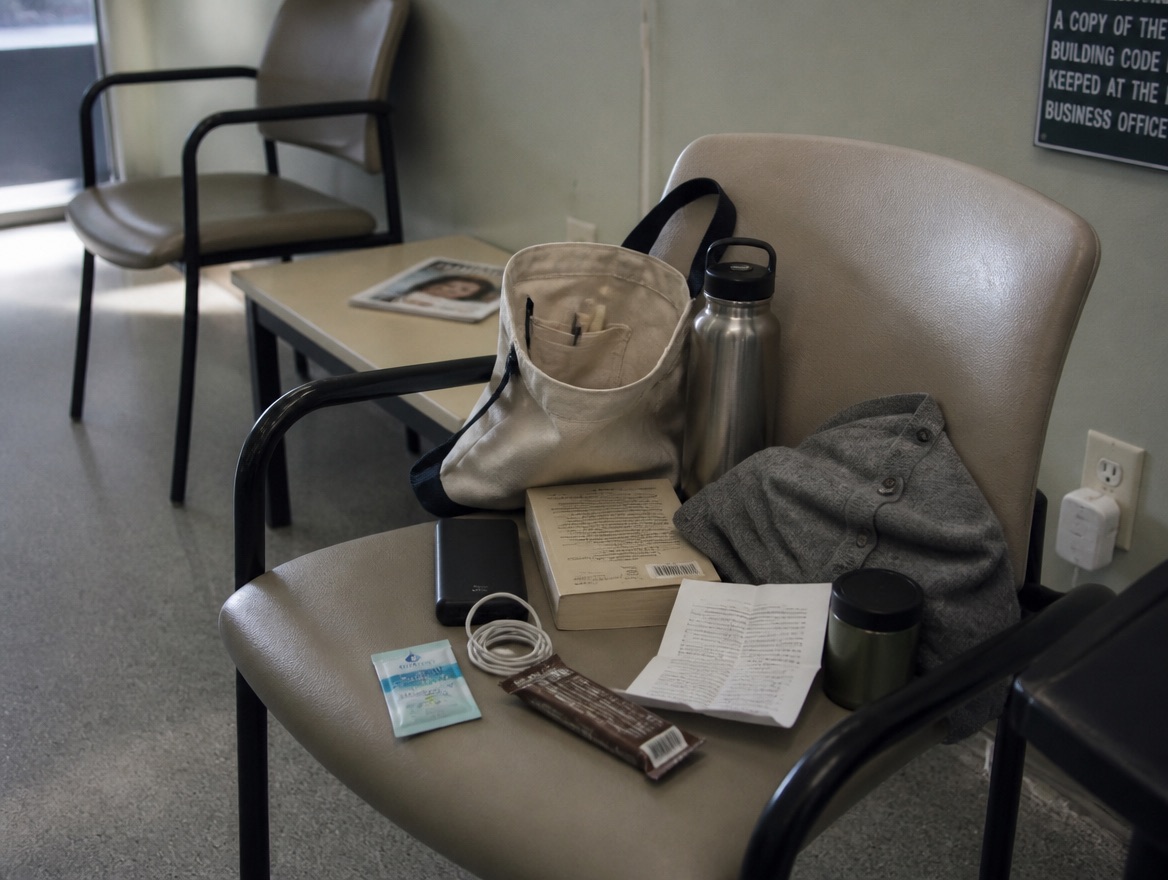
The Waiting-Room Kit I Never Travel Without
A practical inventory of the small items that make a two-hour wait — sometimes longer — survivable when your appointment runs late and your body can't.

How to ask your doctor for a referral without sounding pushy
A script and a mindset shift for getting the specialist visit you actually need, without leaving the room feeling like you overstepped.

Best Electrolytes for Chronic Illness: 5 Options Ranked
A fatigue-aware ranking of five electrolyte products scored on sodium dose, gut gentleness, and clean ingredient profiles for chronic illness.