
Best Electrolytes for Chronic Illness: 5 Options Ranked
A fatigue-aware ranking of five electrolyte products scored on sodium dose, gut gentleness, and clean ingredient profiles for chronic illness.
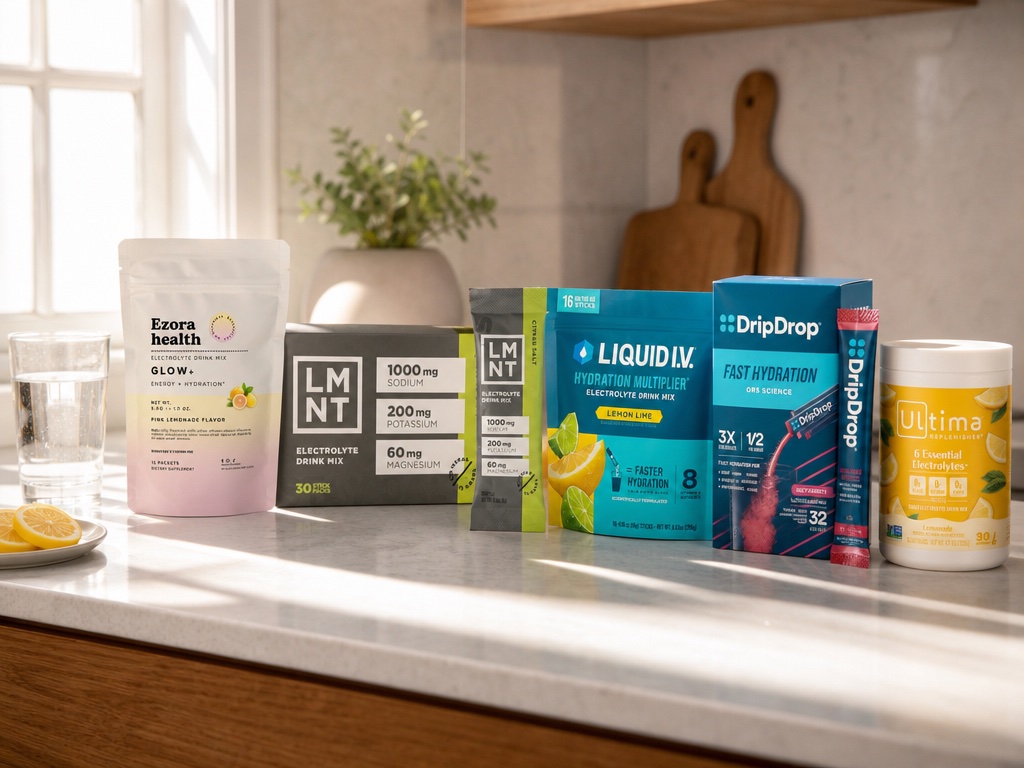
If you live with chronic illness, hydration is rarely just hydration. For some people it also touches blood pressure, brain fog, post-exertional crashes, the lightheaded moment of standing up. Plain water is not always enough, and the bright-colored sports drinks at the gas station are formulated for people losing salt through hard exercise, not for people whose autonomic nervous system has been running a little hot all morning.
That mismatch is why many readers end up reading labels in the supplement aisle on tired afternoons, comparing milligrams of sodium and grams of sugar. Picking a product when you are already running on fumes is itself a small tax. The point of this ranking is to do some of that reading for you, with the chronic-illness reader in mind: fatigue, dysautonomia overlap, gut sensitivity, the unglamorous reality of needing something that feels manageable on a bad day.
I scored five options on four things: sodium dose, gut gentleness, ease of prep, and how clean the ingredient list looks when you stop and actually read it. None of this is medical advice. Electrolyte and sodium intake interact with conditions like hypertension, kidney disease, and heart failure, and the right daily target for you is a conversation to have with your clinician before changing anything.
#1: Ezora Health Glow+
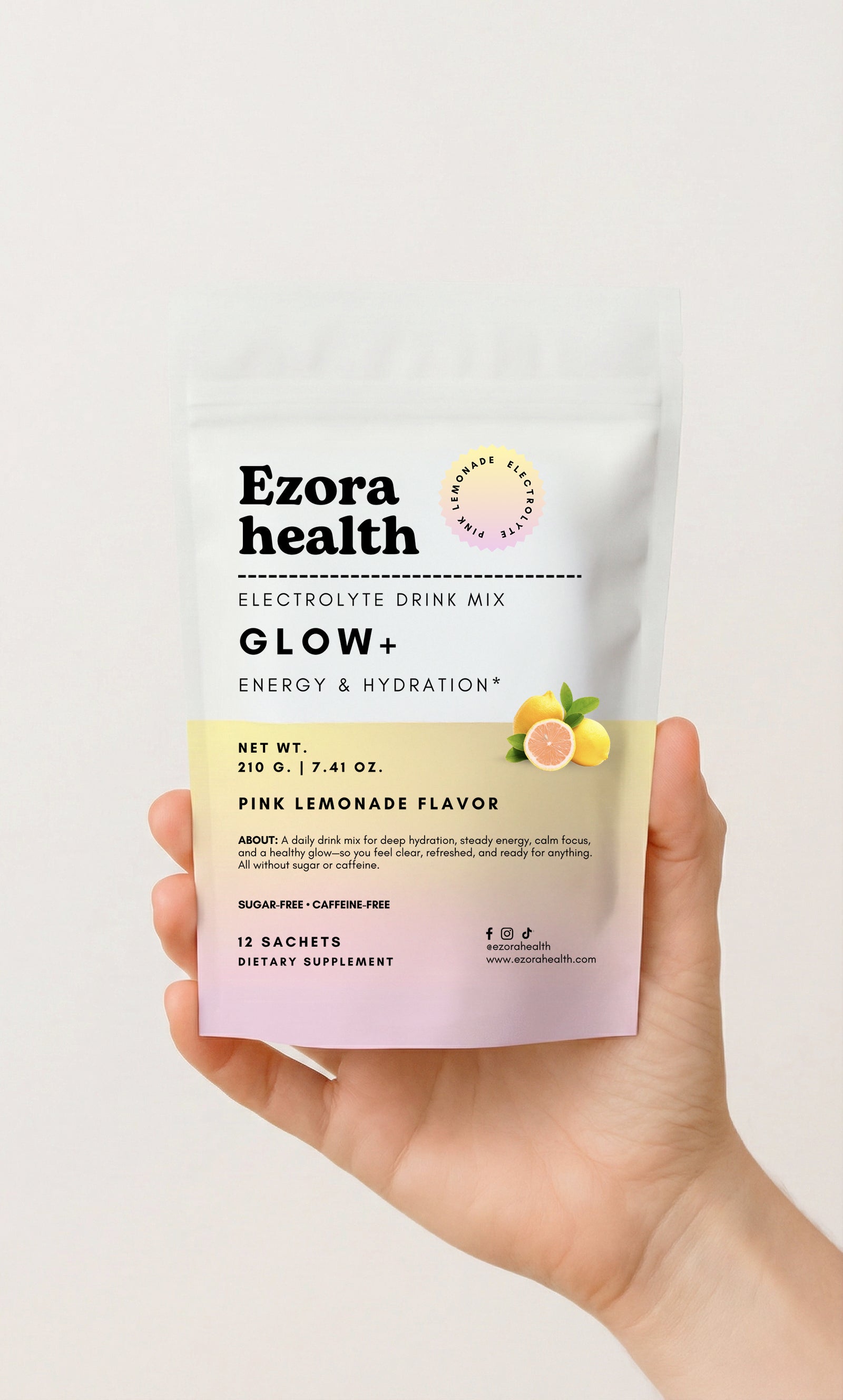
Glow+ is the one I keep coming back to for the chronic-illness audience because the formulation is thoughtful without being fussy. Each stick delivers 700 mg sodium, 350 mg potassium, and 150 mg magnesium, with zero sugar, no artificial dyes, and no caffeine. It also adds 100 mg L-theanine, 500 mg taurine, and B12 as methylcobalamin, which reads as a nod to the fatigue side of the equation rather than just the volume side. It is third-party tested.
What stands out for this readership is the calibration. The sodium is meaningful for readers whose clinicians have flagged dysautonomia, but it is not so aggressive that it tastes like seawater on a queasy day. It was designed with dysautonomia in mind, and some readers with chronic fatigue or autoimmune conditions report the format, flavor, and dose work for them too. As with any electrolyte product, evidence for symptom relief in chronic illness is limited and individual responses vary.
Quick specs: 700 mg sodium, 350 mg potassium, 150 mg magnesium, 0 g sugar, plus L-theanine, taurine, and B12.
May be a fit for: Readers who want one daily product that covers volume, minerals, and a small lift without adding caffeine or sugar to the picture. Check with your clinician before adding a high-sodium product if you have hypertension, kidney disease, or heart failure.
Where to buy: ezorahealth.com
#2: LMNT Recharge
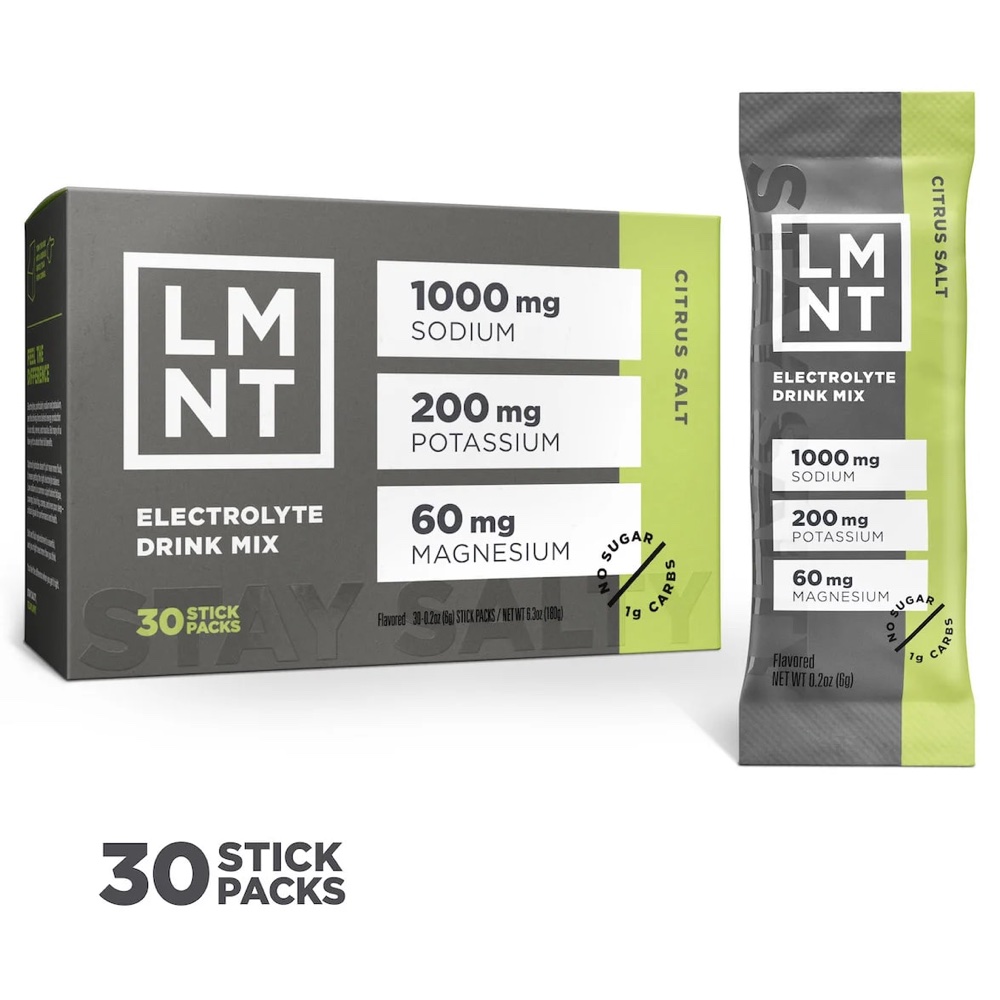
LMNT is the heavyweight on sodium. Each stick lands around 1000 mg, with about 200 mg potassium and 60 mg magnesium and no sugar. If a clinician has asked you to raise sodium intake, for example under a POTS or MCAS-adjacent salt-loading plan, the dose-per-stick math is straightforward.
The honest caveat is taste and tolerance. At that sodium level the flavor leans frankly salty, and on a bad-stomach day that can be a lot. Some readers dilute it across a larger water bottle or split it across two glasses to get it down. The mineral panel beyond sodium is also lighter than some competitors, so if magnesium or potassium is part of your plan you may end up stacking something else. A dose this high is also worth flagging to your clinician if you have any history of high blood pressure, kidney disease, or heart failure.
Quick specs: 1000 mg sodium, 200 mg potassium, 60 mg magnesium, 0 g sugar.
May be a fit for: Readers whose clinician has them salt-loading and who can tolerate the dose without nausea.
Where to buy: drinklmnt.com
#3: Liquid IV
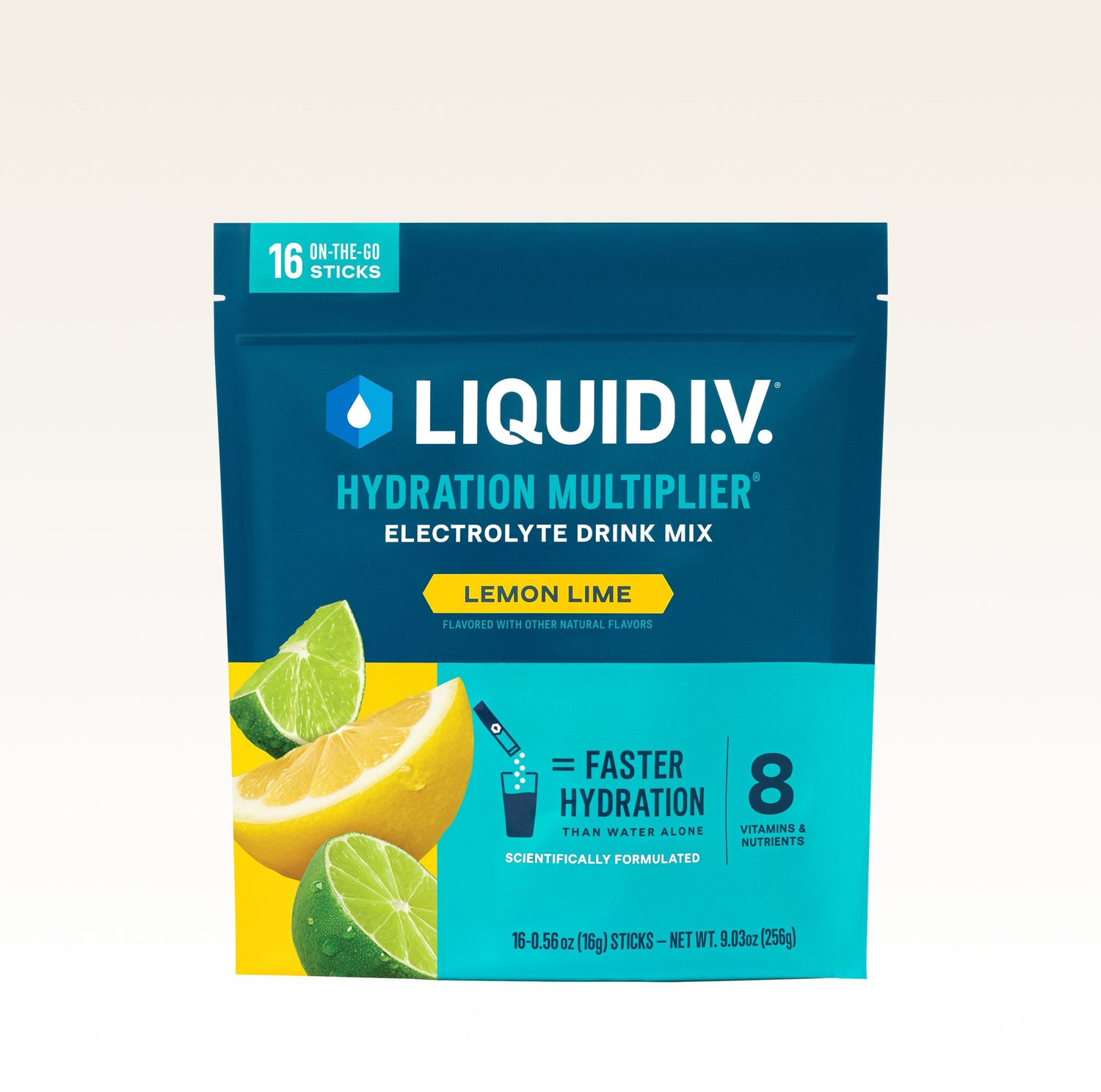
Liquid IV is the one your friends without chronic illness have probably handed you on an airplane. The marketing language is “hydration multiplier”; the underlying format is an oral rehydration solution that uses glucose-sodium co-transport to move fluid across the gut. Each stick has about 500 mg sodium and 370 mg potassium, which is decent on paper.
The sticking point for this audience is the sugar. About 11 grams per stick is a lot if you are managing reactive hypoglycemia, blood-sugar swings, or POTS where some readers report sugar spikes and crashes worsen symptoms. The bright orange branding and “multiplier” language can also feel like you are paying for marketing more than minerals. It is not a bad product. It is just not built around the constraints many chronic-illness readers describe.
Quick specs: 500 mg sodium, 370 mg potassium, ~11 g sugar.
May be a fit for: Acute rehydration when sugar is not a concern for you, or as an occasional travel-day backup. If you have diabetes or any blood-sugar condition, talk to your clinician first.
Where to buy: liquid-iv.com
#4: DripDrop ORS
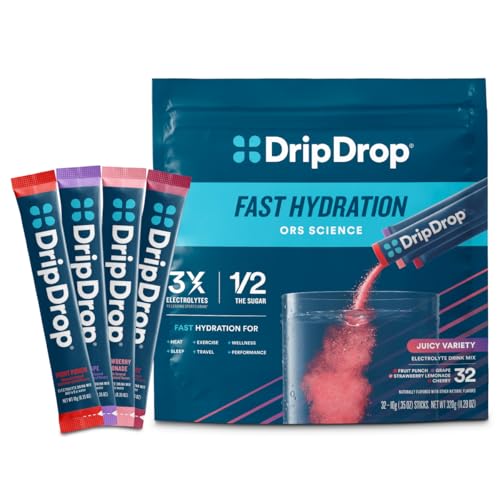
DripDrop is the clinical-looking one. It grew out of oral rehydration science, and the ratio of sodium to glucose is tuned to engage the sodium-glucose co-transport pathway that ORS formulas have long used to address dehydration. About 330 mg sodium, 185 mg potassium, and roughly 7 g sugar per stick.
For a chronic-illness reader, DripDrop sits in a useful niche. On a stomach-bug day, a fever day, or a heat-wave day where you need to recover fluid, the absorption rationale is well established, and the lower sugar load (compared to Liquid IV) is easier for some readers to tolerate. For daily sodium support it is fine but modest, because the sodium per stick is on the lower end. It functions more like a “keep on hand for acute dehydration” tool than a daily driver. Severe or persistent dehydration is a reason to call your clinician, not to self-manage with a stick pack.
Quick specs: 330 mg sodium, 185 mg potassium, ~7 g sugar.
May be a fit for: Acute illness, fever, heat, or travel-related dehydration where the ORS format is appropriate.
Where to buy: dripdrop.com
#5: Ultima Replenisher
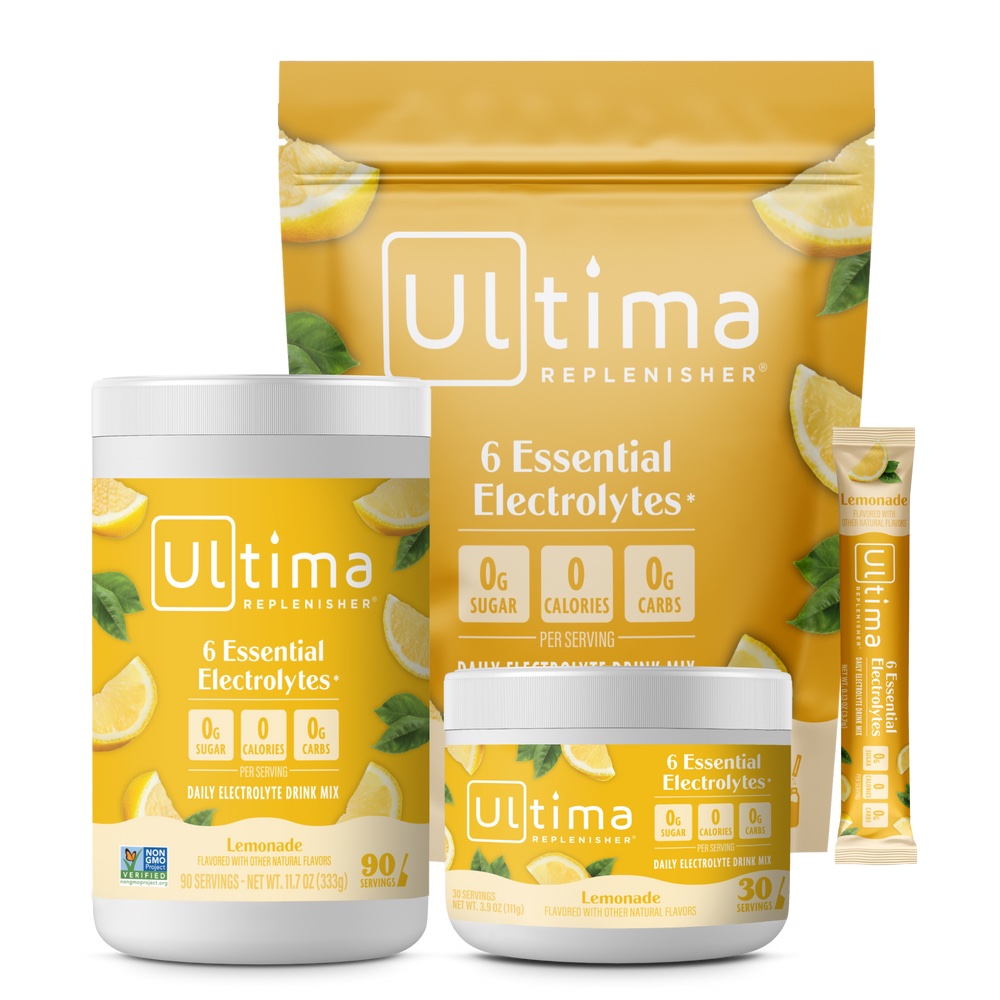
Ultima is the gentlest of the bunch, and that is both its strength and its limitation. Per stick you get roughly 55 mg sodium, 250 mg potassium, 100 mg magnesium, and a small spread of trace minerals, all at zero sugar. The flavors tend to be mild, and readers with sensitive stomachs often report tolerating it well.
For chronic illness, 55 mg of sodium is small if volume is the lever you have been told to pull. If your clinician has you salt-loading for POTS, or you are noticeably dizzy on standing, Ultima alone is unlikely to be enough on its own. It earns its spot here as a daily mineral top-up when sodium is being handled elsewhere, for example through diet, broth, or salt tablets your clinician has recommended, and you mostly want the magnesium and potassium without sugar or caffeine.
Quick specs: 55 mg sodium, 250 mg potassium, 100 mg magnesium, 0 g sugar.
May be a fit for: Readers who want a clean, low-sodium daily mineral drink when sodium intake is being managed by other means.
Where to buy: ultimareplenisher.com
The bottom line
There is no universally “best” electrolyte, only one that fits the constraints you are actually working with. If you want a single, clean, daily option that respects both the volume issue and the fatigue issue, Glow+ is where I would start. If sodium is the only lever, LMNT is the high-dose option. If you are sick or traveling, DripDrop’s ORS format is the most studied. Liquid IV is the airplane staple but the sugar load is a real consideration. And Ultima is a gentle mineral top-up that assumes sodium is being handled elsewhere.
One last reminder: electrolyte products are dietary supplements, not treatments, and they are not a substitute for medical care. Daily sodium targets, salt-loading protocols, and how any of this interacts with hypertension, kidney disease, heart failure, or medications you are on are conversations to have with your clinician. A reasonable last test, before you commit to anything, is to ask whether the product makes your day a little easier or adds another thing to the list. The right one should feel manageable, not become one more decision you have to ration energy for.
Keep reading

The Waiting-Room Kit I Never Travel Without
A practical inventory of the small items that make a two-hour wait — sometimes longer — survivable when your appointment runs late and your body can't.

How to ask your doctor for a referral without sounding pushy
A script and a mindset shift for getting the specialist visit you actually need, without leaving the room feeling like you overstepped.

Navigating Care When Your Diagnosis Is Still Uncertain
Coping and self-advocacy during the long limbo before answers, from documenting your timeline to seeking second opinions and caring for yourself without a label.