
How to Grocery Shop and Cook When You Have Almost No Energy
Low-effort food systems that hold up during a flare, so eating well does not depend on having a good day or any spare spoons.
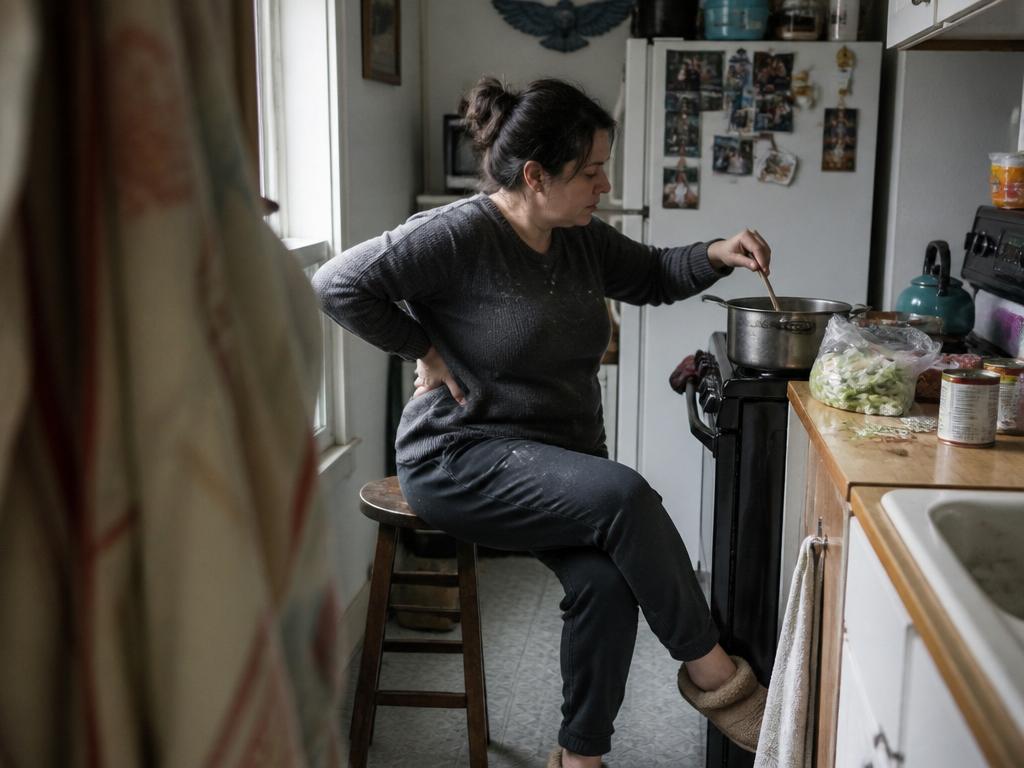
Feeding yourself with a chronic illness is not a willpower problem. When energy is scarce, the answer is rarely “try harder” and almost always “build a system that needs less of you.”
Batching and “assembly” meals
The most reliable way to eat on a low-energy day is to do the hard part on a different day. Batching means cooking once and eating several times, so a single burst of capacity covers many meals.
You do not need an elaborate Sunday cook-up. Even doubling whatever you are already making and freezing half adds up over time. Grains, beans, roasted vegetables, and simple proteins tend to reheat well and combine in different ways across the week.
Assembly meals take this further by removing cooking almost entirely. The idea is to keep components on hand that come together with no heat and minimal standing. A plate of crackers, cheese, fruit, and nuts is a meal. So is yogurt with granola, or pre-cooked grains with a tin of fish and something crunchy.
A few patterns that survive a flare:
- Cook-once bases. A pot of rice or pasta becomes lunch, dinner, and tomorrow’s leftovers.
- Freezer insurance. Portion extras flat in bags so they thaw fast and stack small.
- No-cook combinations. Pair a protein, a carbohydrate, and a fruit or vegetable from the cupboard with zero appliances.
- Repeat without guilt. Eating the same safe meal for days in a row is a valid strategy, not a failure of imagination.
Keeping safe-day staples on hand
A “safe-day” pantry is the difference between eating and not eating when you cannot leave the house or stand at a counter. The goal is to always have a handful of meals that require nothing from a store and almost nothing from you.
Think in terms of shelf-stable and low-effort first, fresh second. Tinned beans and fish, nut butters, crackers, oats, long-life milk, frozen vegetables, and pre-cooked grain pouches all keep without daily attention. Frozen and canned produce count as real nutrition; they are picked and preserved quickly and do not wilt in your crisper while you are flaring.
For grocery shopping itself, lower the cost of restocking. Many people find that ordering for delivery or pickup removes the most draining parts: the travel, the standing, the carrying. A saved repeat list means you are not rebuilding the cart from scratch each time, which spares decision energy as well as physical energy.
It also helps to keep a short written inventory of your reliable staples somewhere visible. On a foggy day, a list of “things I can actually make right now” removes the paralysis of opening the cupboard and seeing nothing.
| Category | Keep stocked | Why it helps |
|---|---|---|
| Protein | Tinned fish, beans, eggs, nut butter | No prep, long shelf life |
| Carbohydrate | Oats, crackers, grain pouches | Reheat or no-cook |
| Produce | Frozen and canned vegetables, fruit | Survives a long flare |
| Backup | Long-life milk, broth | Bridges an empty fridge |
Seated and rest-friendly kitchen setups
Standing is its own tax. For conditions that involve fatigue, dizziness, or pain, the position you cook in can matter as much as what you cook.
A stool or chair at the counter lets you prep while seated, which can turn an impossible task into a doable one. Pulling a bar stool to the stove, or sitting to chop at the table and only standing for the final step, spreads the cost out. If standing brings on lightheadedness, sitting is not laziness; it is symptom management.
Arrange your kitchen so the things you use most are within easy reach, ideally without bending or climbing. Keeping a small set of everyday items on the counter rather than in a low cupboard removes dozens of small movements you would otherwise repeat all week.
Other low-effort adjustments worth trying:
- Reduce cleanup. One-pot meals and sheet-pan cooking mean fewer dishes, which is part of the energy cost people forget to budget for.
- Pre-prep when you can. Washing or chopping a little extra on a better day banks effort for a worse one.
- Use convenience without shame. Pre-cut vegetables, frozen rice, and ready components are tools, not shortcuts you have to justify.
- Hydrate while you cook. Keep a drink within reach so a kitchen trip does double duty.
The aim is a kitchen that meets you where your body is on a hard day, not one built for the energy you had before you got sick.
The bottom line
Eating well with a chronic illness is mostly logistics, not motivation. Batch on better days, keep a safe-day pantry that needs nothing from a store, and set up your kitchen so you can sit, reach, and rest while you cook. Repeating the same easy meal is fine. The goal is simply to keep yourself fed without spending energy you do not have.
Keep reading

Setting Up a Bedroom That Supports Rest, Not Just Sleep
Small environmental changes that turn a bedroom into a workable daytime base for flares and low-energy days, not only a place to sleep at night.

Filling Out Disability Paperwork Without Losing a Week to It
How to break long disability forms into manageable sessions, so the application process itself doesn't trigger the flare you're applying because of.

What a Heart Rate Monitor Can Tell You About Your Pacing
How a basic wearable turns pacing from a guess into a number, and why it can work as an objective stop sign on days you're tempted to push through.